Car-Free Access to the Flow Country: Reaching a World Heritage Landscape by Rail
December 17, 2025
The Flow Country of Caithness and Sutherland is one of Europe’s most remarkable natural environments. Recently inscribed as a UNESCO World Heritage Site, this vast expanse of blanket bog is of outstanding global importance, playing a crucial role in carbon storage, biodiversity and climate regulation.
As awareness of the Flow Country grows, so too does the responsibility to manage access in ways that safeguard its integrity. Low-impact travel is a key part of this approach, and the Far North Line offers a practical and sustainable means of reaching the heart of this unique landscape without reliance on private cars.
A Sustainable Route into the Peatlands
The Far North Line runs between Inverness and Wick/Thurso, connecting some of Scotland’s most remote communities. Forsinard station sits within the Flow Country itself, providing direct rail access to the peatlands and the RSPB Forsinard Flows National Nature Reserve.
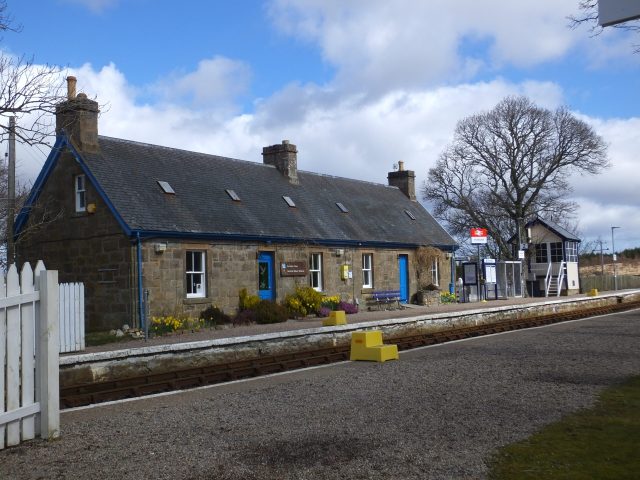
From the station, visitors can move straight into the landscape via managed paths and boardwalks designed to protect sensitive peat surfaces. Arriving by train reduces pressure on narrow rural roads and informal parking areas, helping to minimise disturbance to habitats that are both fragile and slow to recover from damage.
Supporting Conservation Through Travel Choices
Peatland ecosystems are particularly vulnerable to physical impact. Erosion, compaction and altered water flow can have long-lasting consequences. Encouraging travel by rail helps limit these pressures while supporting a form of engagement that aligns closely with conservation objectives.
Rail travel also shapes the visitor experience. The journey itself provides a gradual introduction to the scale and character of the Flow Country, fostering understanding of its remoteness and ecological significance before visitors even arrive.
Benefits for Communities and Landscape
The Far North Line is an essential link for the rural communities it serves, supporting everyday travel as well as sustainable tourism. Responsible visitor access helps ensure that economic benefits are felt locally, without placing undue strain on infrastructure or the environment.
The work of the Far North Line Community Rail Partnership, which promotes sustainable travel and community engagement along the route, supports this balanced approach by encouraging rail-based access to sensitive landscapes such as the Flow Country.
Encouraging Responsible Exploration
Clear visitor guidance, managed routes and car-free access all contribute to responsible exploration of the Flow Country. Travelling by train helps set expectations from the outset, reinforcing the importance of care, restraint and respect for a living landscape of global value.
This approach reflects wider principles shared across World Heritage Sites: enabling people to experience places of outstanding universal value while ensuring their protection for the future.
A Model for Sustainable Access
The Flow Country offers a compelling example of how World Heritage landscapes can be made accessible without compromising their long-term resilience. The Far North Line demonstrates the role that sustainable transport can play in conservation, education and climate action.
By promoting rail as a primary means of access, partners and organisations can help protect one of the world’s most significant peatland systems, ensuring it remains intact, understood, and valued for generations to come.